Dryer Systems Built for Continuous Use
Commercial Dryer Vent Cleaning across the Front Range for laundromats, multi-unit housing, and hospitality properties with high-use dryer systems
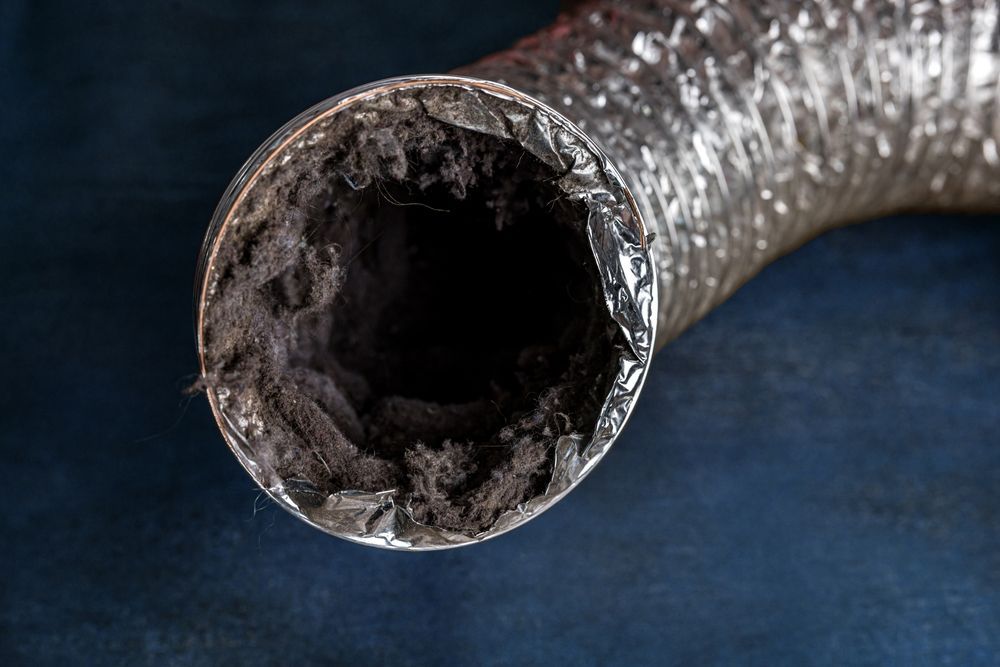
Laundromats, apartment complexes, hotels, and other commercial properties run dryers throughout the day, generating lint buildup in vent systems at rates that far exceed residential use patterns. D&D Air Duct Pros provides commercial dryer vent cleaning in Golden, Silverthorne, Denver, Fort Collins and surrounding areas to address the fire risk, efficiency loss, and equipment strain that develop when high-volume dryer vents go too long between cleanings. These systems require professional maintenance because standard homeowner approaches can't handle the lint volume or vent complexity typical in commercial installations.
The service removes compacted lint and debris from commercial dryer vent runs that often extend longer distances, serve multiple machines through manifold systems, or vent through rooftop terminations instead of simple wall exits. Restricted vents force dryers to run longer cycles, increase energy costs, and create ignition risks as lint traps heat inside vent passages designed for continuous airflow.
Request service scheduling to establish routine maintenance intervals that prevent lint accumulation from reaching hazardous levels.
How Commercial Vent Cleaning Addresses Fire Risk
Commercial vent cleaning requires equipment capable of handling longer duct runs and higher lint volumes than residential tools manage effectively. Technicians use rotary brush systems sized for commercial vent diameters, along with industrial vacuums that extract debris without redistributing it into other sections of shared vent systems. Multi-unit properties often require coordination to clean individual dryer connections plus the main exhaust trunk that combines airflow from multiple machines.
After cleaning, dryers complete cycles in expected timeframes instead of running extended periods that waste energy and wear components prematurely. Equipment operates cooler because exhaust heat escapes properly, and facilities avoid the code violations or insurance concerns that arise when inspectors identify neglected dryer vent systems during safety reviews.
Properties with frequent dryer usage—including laundromats operating twelve to sixteen hours daily or apartment complexes with shared laundry facilities—need quarterly or semi-annual cleaning to maintain safe airflow. Golden's dry climate helps reduce moisture-related lint clumping, but high-use environments still accumulate dangerous lint volumes between maintenance cycles.
What Property Owners Usually Ask
Commercial property managers often need to understand compliance requirements, maintenance frequency, and how vent cleaning affects operational costs.
How often should commercial dryer vents be cleaned?
High-use facilities like laundromats typically need quarterly service, while apartment buildings or hotels with moderate usage benefit from semi-annual or annual cleaning depending on machine count and runtime.
What happens if commercial dryer vents aren't maintained?
Lint accumulation increases fire risk, extends drying times that frustrate customers or residents, and accelerates dryer component failure due to overheating and prolonged operation.
Does vent cleaning help with compliance or insurance requirements?
Many commercial insurance policies and fire safety codes require documented dryer vent maintenance for properties with shared or high-capacity laundry facilities.
Can you clean vents while the facility stays operational?
Yes, D&D Air Duct Pros schedules work to minimize downtime, often servicing individual dryers or vent sections while other machines remain available for use.
What industries need commercial dryer vent cleaning most?
Laundromats, multi-family housing, hotels, salons, athletic facilities, and any business operating multiple dryers daily require professional vent maintenance to manage lint buildup safely.
D&D Air Duct Pros develops maintenance plans for commercial properties that rely on dryer equipment for daily operations. Reach out to arrange an initial cleaning and establish a service schedule that prevents dangerous lint accumulation.